 |
| Kaohsiung Wetland Area, Lotus Pond |
|
Traveling responsibly doesn't necessarily mean traveling abroad; being responsible extends to all trips both near and far, and it's our obligation as humans that can traverse any number of ecosystems (leaving our fellow animals behind), to be as kind as possible as we travel.
Take nothing but pictures, leave nothing but footprints- it might be cliche, but it's important for travelers to be mindful of their surroundings when it comes to litter. I watched a documentary about a small Thai town completely inundated with plastic water bottles that had accumulated from tourists! With that in mind, I have compiled a list of suggestions for traveling respectfully and responsibly.
 |
| Kaohsiung Wetland Area, Lotus Pond |
|
Tips for responsible travel: Environmental Interactions
Get a reusable water bottle- this includes Nalgene and Camelback; some even come with filters inside, such as the Bobble or Brita (Camelback seems to sell them now, too). Save money on bottles of water, and be kind to the environments you travel though- many countries frequented by backpackers do not have adequate facilities/systems to deal with large amounts of trash and recycling created by travelers.
Get reusable containers, such as tupperware, in addition to utensils. For long-term travelers and backpackers, this helps to cut down on waste, and also helps to protect against food poisoning. In some places, shops will give a discount for having a container.
When possible, travel overland rather than by plane- carbon emissions are a growing concern for the globe, and there's no easier way to help than by choosing buses, trains, ferries, and other low impact means of travel. This includes taking traditional canoe rides (which are an awesome way to travel)!
Avoid experiences that include "rides" on other kinds of animals. Instead, opt for up close experiences that support wildlife, such as interactions (bathing, feeding, petting) at local sanctuaries and nature reserves. Volunteer holidays are becoming more and more popular, and many have single day options for those looking for a more authentic interaction but don't have a week or more to help out.
Buy local produce, preferably at local markets. When possible, avoid buying imported goods, especially food, as it will be more expensive (and probably not as delicious). This helps to support local farmers, or domestic companies, and is also helps to support your wallet while you travel!
Stay in locally owned accommodation that is eco-friendly, whenever possible. This can be difficult in many parts of the world, especially since it can be more expensive than other types of accommodation, but if a traveler can afford it, it's definitely worth considering. When eco-friendly travel is too expensive, locally owned, smaller hotels or home stays tend to have a lower impact.
Choose tour operators that have proven record in animal welfare and protection, and follow their rules when interacting with animals and other wildlife.
If you choose to scuba dive or snorkel (which I highly recommend!), be careful not to damage coral or other marine life, and do not touch or remove wildlife. Observe, take photos, marvel at the under water wold, but refrain from touching or disturbing anything (a good idea, especially given many coral and other animals are venomous!).
Try to limit water consumption; turn water off while scrubbing hands and try to take shorter showers. In other words, try to avoid unnecessary water waste; this is especially important if staying with home stays and tourists generally consume much more water than locals.
Do not, under any circumstance, purchase products that have been made from animal parts and be mindful that in many countries
endangered species are poached to produce souvenirs. If you are not sure what something is made from, ask. If it is made from an endangered species, let locals know the reason you are not buying and ask to see something else. Locals often poach in order to make a living, and it is important to support local economies. However, buying local art, handicrafts, woodworking/metal works, or textiles instead, can encourage a more sustainable tourist economy.
 |
| Kaohsiung Wetland Area, Lotus Pond |
Tips for responsible travel: Human Interactions- Respecting Local Cultures
Read up on the culture before you go- indulge in a translated book that is famous in the region, read a history or culture book, or troll websites to get a better understanding of cultural expectations, customs, and etiquette. Know what you're getting into!
Once a basic framework for the culture has been grasped, apply it! If the country expects modesty, as almost all Asian countries do, don't strip down and go topless (both men and women!)- I was horrified to see so many nearly naked foreigners in Bangkok (a completely land-locked city). Many countries expect all members of society to be covered at minimum at the knees and shoulders, so keep this in mind and go low impact on your next trip.
Do a little digging- keep abreast of the current news in the country or region you plan to visit. If traveling in the longterm, keep up to date on political issues; this can be a life-saver as travelers often wander into dangerous areas (and sometimes fly directly into riots) because they did not keep up to date on current issues.
Watch a few movies about the culture or history of the region, or watch a movie that was made in the country with subtitles, if necessary. This will help gain insight and give context into the region, and help prepare for potential culture shock.
Learn a few key words and phrases in the local language, included in many guide books. Learning even a few words can really improve interactions with locals- my experience has shown that you can really make someone's day by greeting or thanking someone in their language. Learning a few words can also help to ensure you get what you want and need while traveling- if you have food restrictions or allergies, make sure you learn the appropriate words before you go; it will make life so much easier!
*For people traveling long term, consider laminating a card to keep on your person with your crucial info: Name, Nationality, Medical Alerts, and Emergency Contact (Embassy Info and Personal Info) and have this translated into multiple languages so in an emergency, there are no questions if you need urgent care.
For travelers staying in home stays or visiting more remote areas, consider bringing small gifts for your hosts. These gifts do not have to be expensive or grand, but generally things that relate somehow to the traveller's country of origin are the most coveted. If you make things yourself, consider bringing small crafts you have made- from what I've seen, people love these the most!
Avoid giving candy to children. Most travelers have encountered children that beg for money or sweets, but the reality is that sweets aren't really an acceptable 'replacement' for money. Instead, try traveling with cool pencils or crazy erasers (fun shapes such as food or animals), kids really get a kick out of the erasers and you won't have to worry about giving kids cavities and pain that they won't be able to afford to fix.
Choose tours and groups that have a proven record in supporting the local economy and helps to support the local community. Consider off-beat tourism started by less known groups, such as indigenous populations. I will try to get a working global list of these together as a guide, but it could be some time before it gets published. In the meantime, look around and do some homework. The communities you are visiting will be better off for it!
If you're traveling to more remote locations and want to give photos as souvenirs, consider a small
hand-held printer, such as
Polaroid's Mobile Printer, which are light and fast, and provide great little gifts for people to remember you by. If you don't bring a mini-printer and promise to send photos, make sure you do it when you get back (even if it means writing notes to yourself).
Strive for meaningful interaction with locals every time; make people and communities a part of your trip!


 The West Lake, or 西湖, has been an integral part of Chinese history for almost 2,000 years. Even in its early history, it was a place of importance; a place that poets have written numerous poems about, a place of peace and tranquility. In fact, so well-loved is this body of water, that other man-made landscapes of national importance, such as the lake at the Summer Palace in Beijing.
 Although this lake was admittedly smoggy a decade ago, the pollution only minimally detracted from the beauty of this place. Even so, environmental improvements that have been made over the years have likely reverted this lake to heave on earth; I can only imagine how astonishing the landscape will be with blue skies and clearer water. In fact, when I return to Mainland China on my next trip, I am planning to make this one of my must-see stops.


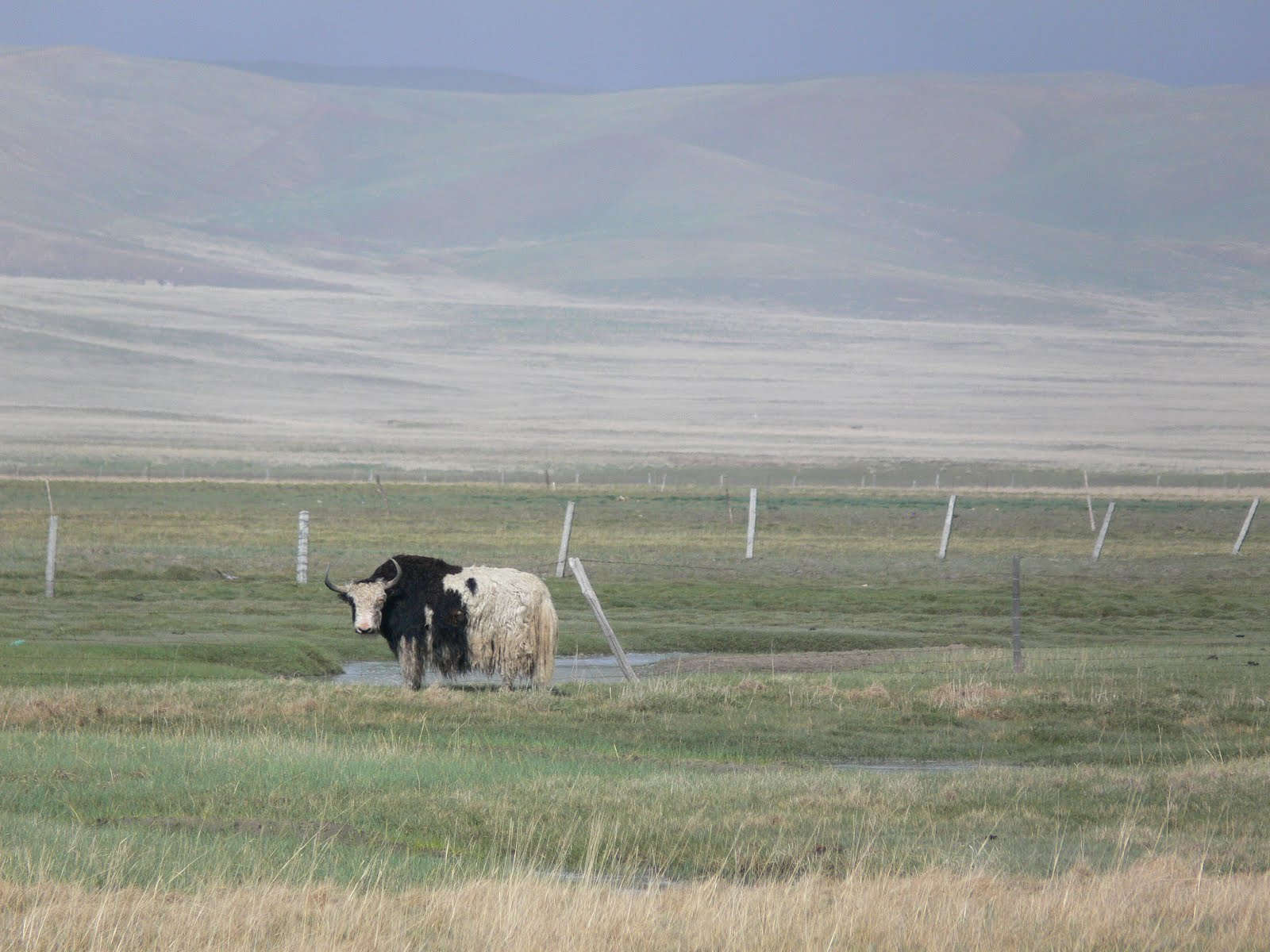

 The region is at around 4,000 ft above sea level, so if you plan to travel in this region, make sure you spend a day or two in the city taking it easy before venturing out to sites further afield. You can get here easily and cheaply by train from Beijing West Station; reservations are not normally needed for this particular train during most of the year, though it is advised that travelers book at least a week ahead (when possible) during the summer months since it can get busy. That said, the train is an experience in itself and it's an awesome site to see the countryside whizzing past.
 Although rich and street-raised, Teddy Roosevelt came out to the Dakota Territory for adventure and a bit of experiential therapy after the death of both his wife and mother. When he first came out, he invested in a local business called the Maltese Cross Ranch and mostly stayed in his lodge, hoping to heal from the trauma of losing the most important women in his life. Soon enough, though, he began to venture further afield and returned to hunting and even invested in a second local business, a cattle ranch called the Elkhart Ranch. Roosevelt said that this time in the badlands was highly influential in his life and policy later when he became a politician.
 If you have the opportunity or can make the time, pay the park a visit in the spring. This is when the baby animals will have just been birthed and this is a particular; baby animals are always adorable to see and makes for some really great photos. Just make sure you stay a safe distance from all wildlife, especially when babies are around; parents are prone to being much more aggressive and many will not think twice about doing serious damage to any perceived threat to their young.


 Mainland China is marching boldly and deliberately towards a modern age of new and sleek architecture often influenced by international architects. However, there are still patches of the city that have escaped the bulldozer, and it is worthwhile to seek out these remnants of Beijing's more civic history. The stark contrast between old and new in Beijing is mind blowing, so I greatly encourage people to seek out high vantage points such as Beijing's Bell Tower to take in the views of old hutong (small alley houses), new revamped hutong rebuilt to maintain cultural heritage (Go Beijing!), and modern architecture.
  It is possible to rent a bicycle tuk tuk with driver (pictured above) around the base of the bell tower that will take tourists through a trip back through time into these small houses off of smaller alley ways. Most of these houses are part of 'siheyuan' or four cornered courtyards, which usually have four small houses on each side that share the common courtyard. This was the most common form of housing in urban areas up until the 20th century, and because most of them are over a hundred years old, many are falling into disrepair. The government, as mentioned above, is preserving some of the hutong residences as part of an effort to preserve these invaluable historical and cultural sites. However, the majority will likely fall victim to modernity and the push for a higher standard of living.
  When I last heard, it seemed the government had plans to bulldoze the hutong in order to build high rise apartments to increase available housing in this very expensive and very tightly packed city, something that is crucial for Beijing. Unfortunately, there were concerns at the time that the original residents of the area would not be able to afford to buy apartments in these new complexes due the the mark up (current real estate prices were significantly higher than the payment residents received for their houses). It is my hope that these issues were resolved satisfactorily for all involved, though I continue to worry about the original residents as governments all over the world (especially in the US) tend to exploit private land owners for the sake of 'public projects.' Therefore, I think it's appropriate to end this post with this poignant piece of graffiti painted on a hutong wall: what will the future bring? We'll have to wait and see.


 On my most recent trip to Beijing to visit friends, I noticed a marked improvement of the air quality (though it is still bitterly cold and dry in the winter!). On my visit in 2011, almost every day had beautiful blue skies, and while in more recent history Beijing seems to have abandoned the goal of clear skies, it was absolutely gorgeous when they were enforcing this policy.
 You could easily spend a lifetime in Beijing and not see everything that this single city has to offer- but if you just have a few days, I would definitely try to work in some of Beijing's parks, especially Beihai Park, to take in both the beauty and culture of this unique city. For an even more unique view, get to Beihai or any other large park in the early mornings around dawn to hear amateurs singing Beijing Opera and playing accompanying instruments, fan dances, water calligraphy, and if the wind is right, kite flying. Later in the day, parks come alive with snacks sellers, wedding photo sessions, fishing, cricket competitions, and people taking their birds for walks in their cages. This scene is uniquely Beijing, and is something that I am constantly nostalgic for; if you get the chance to experience this beautifully chaotic scene, don't pass it up!


